

Site Waste Management Plans (SWMPs)
A Site Waste Management Plan (SWMP) details the various types of waste that will be produced by construction workers on a site, whilst outlining disposal 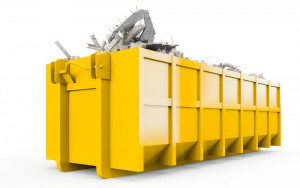 methods of this waste. It is an important document that should be updated frequently during the construction process as the waste is managed and disposed of. The purpose of the plan is to limit waste impact on the environment and to ensure correct disposal that is in line with environmental legislation.
Although there is no legal requirement for a Site Waste Management Plan, we believe that implementing one is crucial in order to uphold environmental responsibility. Having an effective plan will also help your site to factor in the costs of waste disposal, and take all reasonable efforts to reuse and recycle waste where possible. All construction companies under Section 34 of the Environmental Protection Act have a duty of care in terms of waste management. Having a Site Waste Management Plan ensures compliance with this legislation.
When a Site Waste Management Plan is imposed, all employees and workers on-site have the responsibility of upholding it and ensuring compliance. The plan should also be reviewed at least every six months. The principal contractor on-site should check that the following is accurately recorded in the review:
- Types of waste produced, including hazardous waste (such as asbestos)
- Amounts of waste that have been reused or recycled
- Amounts of waste sent to landfill
- Other disposal methods
- The progress of the project in relation to waste management
- Confirmation that regular checks are taking place
- Comparisons between actual waste amounts produced and projected numbers
- Any deviations from the plan that have occurred, and reasons why
Every worker on-site should be informed of the storage location of the Site Waste Management Plan, to ensure that they can refer to it when needed. Site managers should also ensure that all workers are aware of the responsibilities that fall under the plan, including steps that must be taken during the planning, design and construction stages. We advise frequent meetings between site contractors and staff/workers to ensure clear communication, and information and correct waste management training being distributed to new workers on-site.
Overall, site contractors should be researching sustainable construction methods, seeking opportunities to reuse demolition waste, using durable and sustainable materials, and using products that have been previously recycled where possible. You can also take steps to minimise waste production on-site, including:
- The production of a clear Site Waste Management plan that is effectively implemented
- Reusing materials as much as possible
- Providing sufficient storage space for materials
- Having an effective strategy for donating offcuts and leftover materials
- Ordering items with minimal packaging
- Careful material distribution planning
As the construction industry produces large volumes of waste, we can work with you to develop an effective Site Waste Management Plan that makes your materials go further while limiting the environmental impact of your waste. Our team can work with you to develop a plan before construction begins, detailing how materials can be recycled and reused to promote greener ways of working.